

Why go beyond collecting the basics, names, dates and places? In my early days of research, I was interested in adding names to my tree. Online you may have come across trees with over 10,000 or even 100,000 people. I really cannot even think about that amount of people. I ask the question first, why? I have around 1700 and can’t keep up, so how do you deal with a tree in excess of 10,000?
Mabel Smith.
When I discover an ancestor, I check and double check that the person fits my tree. I usually have a birth, marriage and a death certificate as my source and proof. The further you go back; there’s the need to rely on other records. On these records, a place, names and maybe other relatives.
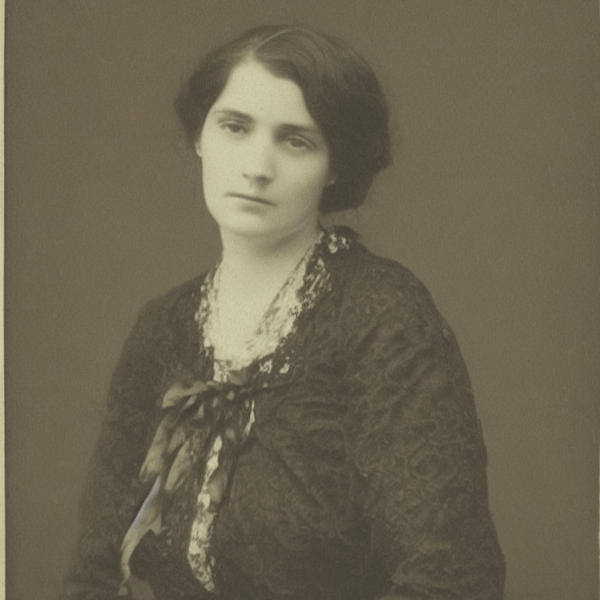
This can grow the tree but just because Mabel Smith was the informant on a death certificate, doesn’t always work out that the information is correct nor that they were related. Our tree grows. As we are all told when we begin this journey: Start with yourself, then the rest should follow… Sometimes it’s easy but eventually you’ll come across three Mabel Smiths.
The question is which is the correct Mabel? My advice: check each one. After that, hopefully eliminating two for it to make sense.
Where Was I?
My path on this journey has taken many years. My tree mostly contains direct ancestors. The siblings get added as I go. This grows the tree. Usually, the siblings will marry, have children who in turn marry… The cycle goes on and on. Please add the source as you go. All of this helps later when you go back and look at the tree. You don’t usually stay on one line, regularly finding connections taking you on a lovely rollercoaster ride. You ask yourself, where was I? Who was I researching? Research journals help with this as a prompt or a reminder of where you were.

Writing.
Now, to the question at the top of this piece. I have been researching for 48 years. When I look at my tree, I find people with no sourced materials. Why? Remember me mentioning those lovely hints/suggestions in my 100th blog. Yes, I did but that was the way before I knew any better. It all comes to light when you begin writing your stories. You want to verify information before you head off down this path. PLANNING, I don’t need to say another word.
Story.
As you begin to develop your ancestor story, look at local and international events that occurred around the time. Your ancestor was doing whatever. You can think a lot, but remember: the proof is in the pudding. It’s probably easier if you have someone who was in a major war. Reason: There is so much written, it makes your story more interesting, or does it?
13 March 1842.
When you tell your ancestors’ story, they become alive. It’s much better than saying “Davey Jones was born 13 March 1842 in Wales. His parents were…”.
Think about what event occurred around this date? Your friend Google can usually help. My example was a date plucked out of the air. It happens that Henry Shrapnel died on this date. He was an English army officer and inventor of the shrapnel shell. The Opium War between Britain and China was coming to an end. It ended 29 August 1842. I’ll let you think about the life of Davey Jones and what else you may say about his coming into this world.
Context.

When adding context, be aware of local events: Go to local newspapers. There is a lot of “USA” centric information out there. All Prime Ministers of the UK, Australia and New Zealand have had an effect on our lives, just as the US presidents and other world leaders. It will depend on where a person is born.
Memories.
When you write your story, check for as much information as possible. Libraries are good, if you have the time. It’s difficult if your ancestors lived in, say England or Scotland and you live in Australia. It’s not like you can go visit immediately. Online is a good option. Local family history societies have a wealth of knowledge via their members. Visiting a location is even better. I did a six-month visit to the UK in 1983 and discovered so much. My memories “pop-up” as I get into writing mode.
Build A Story.
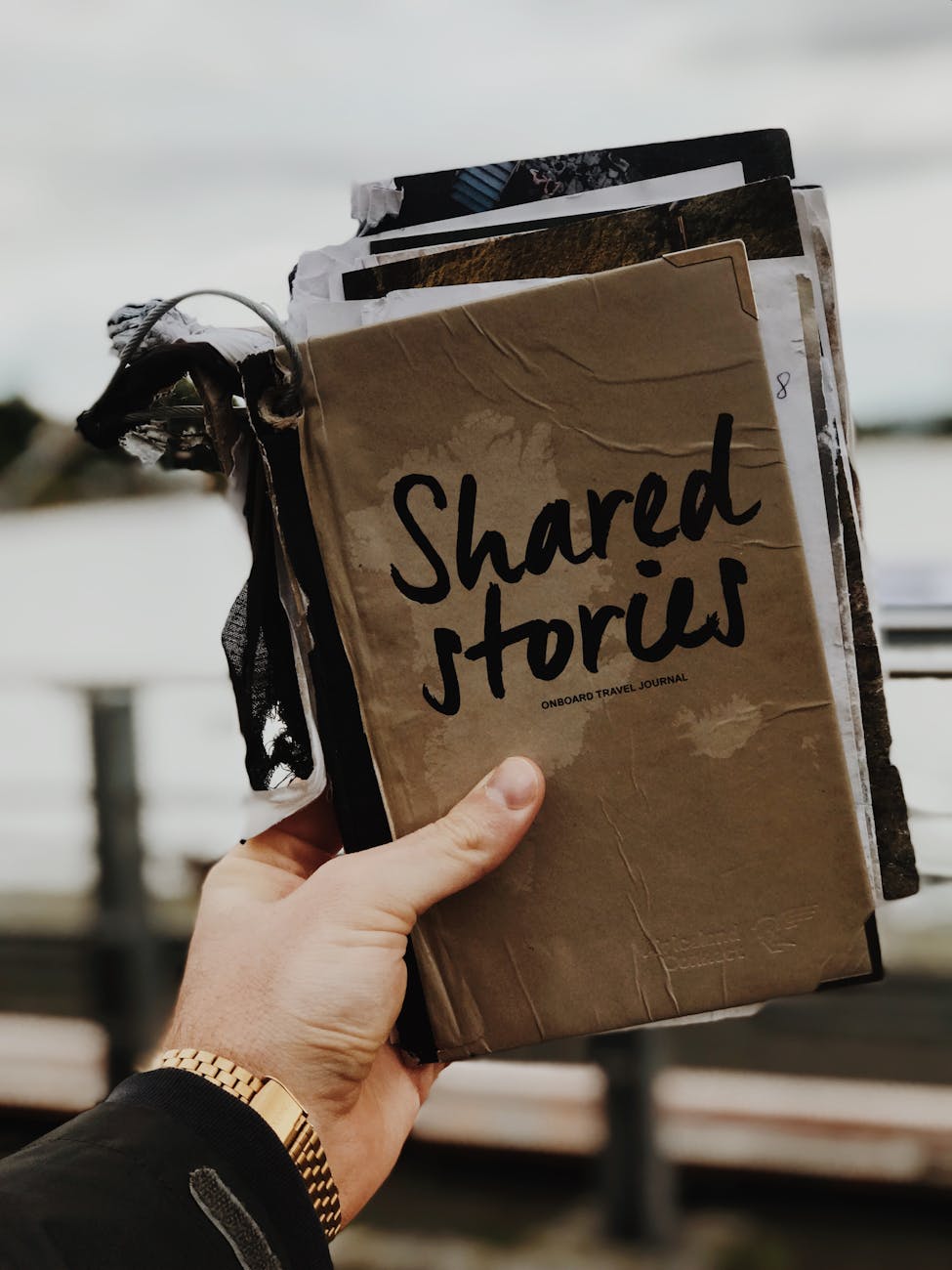
I am writing my own story. You would think it easy. I was born, went to school, got a job and travelled the world. It doesn’t sound interesting, does it? Think about where you were born? What schools you attended? Who were your friends? What weather events caused issues? What did your parents do? Do you have any school certificates, trophies etc. Use this to build your story. Ask questions. Find answers. Newspapers can contain a wealth of information… Go look.
Get writing. Bring your ancestors alive.
Explore and Discover.
Acknowledgements:
Photographs: Top 2 created via ComfyUI.
All others created in Canva. https://www.canva.com
NOTE: Mabel Smith and Davey Jones are not real people.
 Ancestor Family